Custom T-shirts & Signs, Fast & Free Shipping, and All-Inclusive Pricing

0

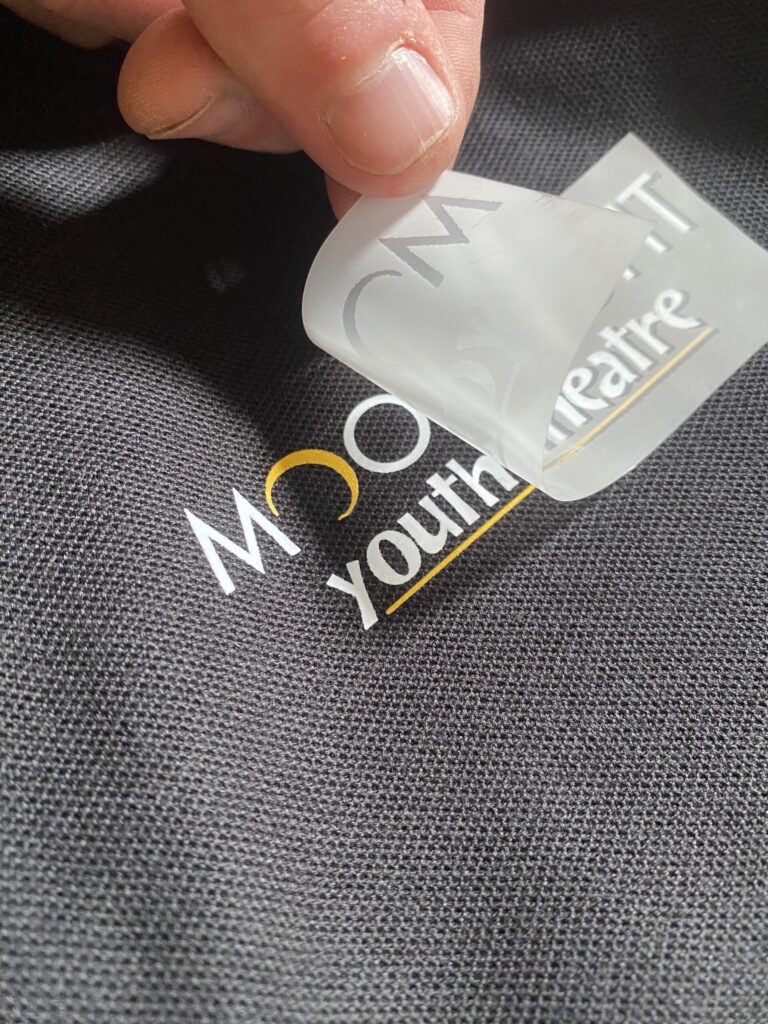
A team shirt that looks great on pickup day but cracks after three laundry cycles is not a good value. So, can DTF transfers withstand washing? Yes – when the transfer is properly made, applied at the right temperature and pressure, and cared for correctly, it can hold up very well through regular wear and washing.

Direct-to-film, or DTF, printing has become a practical choice for businesses, schools, teams, and event organizers because it produces detailed, full-color designs on a wide range of garments. It is especially useful when an order includes different fabric types, colors, or garment sizes. But like any decorated apparel method, long-term performance depends on more than the print itself.

Can DTF Transfers Withstand Washing Over Time?

A properly applied DTF transfer is designed for repeated laundering. The printed design is bonded to the garment with adhesive powder and a heat press, creating a flexible layer that moves with the fabric better than many people expect. Under normal conditions, a quality DTF print can remain vibrant and intact for dozens of wash cycles.

There is no honest one-number answer for every shirt. A transfer on a smooth, high-quality cotton or cotton-blend tee that is washed inside out in cold water will usually outlast the same design on a low-cost garment that is washed hot and dried on high heat every week. The garment, application process, artwork, and laundry routine all matter.

For organizations ordering uniforms, spirit wear, staff apparel, or promotional shirts, that distinction is useful. DTF is a durable option for everyday clothing, but it is not indestructible. Repeated abrasion, high heat, bleach, and aggressive washing can shorten the life of any printed decoration.

What Makes a DTF Print Durable?

The strength of a DTF transfer starts before it ever reaches a garment. Film quality, ink coverage, adhesive powder, curing, and pressing technique all affect how well the design bonds. A transfer that is under-cured or pressed with insufficient pressure may look fine at first, then begin lifting at the edges after washing.

Temperature and press time must match the transfer and garment. Too little heat can leave the adhesive incompletely bonded. Too much heat can damage delicate fabric, distort the transfer, or create a stiff print. Pressure matters just as much, particularly on thicker garments, fleece, seams, pockets, and uneven surfaces.

The fabric itself also plays a role. DTF works on cotton, polyester, blends, and many performance fabrics, which is one reason it is popular for mixed apparel orders. Still, fabric texture changes the result. A smooth ring-spun cotton tee provides a different printing surface than a heavily textured sweatshirt or a water-resistant jacket. An experienced production partner will recommend the right garment and print approach for the use case instead of treating every item the same.

Artwork can influence durability, too. Large, solid blocks of ink create more print coverage than fine lettering or a small logo. That does not mean large graphics are a poor choice. It simply means a large front print needs proper pressing and sensible garment care to stay flexible and comfortable over time.

A good transfer still needs a good application

This is where professional production matters. The same DTF design can perform very differently depending on how it is pressed. Consistent heat, pressure, dwell time, and peel method are production details that should not be guessed at, especially for a team order or branded apparel program.

At Alchemy Print Co., the goal is not just to produce a design that photographs well. It is to deliver apparel that is ready for real use – school days, job sites, fundraisers, practices, events, and repeated laundry.

How to Wash DTF Transfers Correctly

The easiest way to extend the life of a DTF print is to reduce heat and friction. Turn the garment inside out before washing, use cold or cool water, and choose a normal or gentle cycle. This protects the printed surface from rubbing against zippers, rough fabrics, and other garments in the machine.

Use mild detergent and avoid bleach. Bleach can weaken fabric fibers and may affect the appearance of both the garment and print. Fabric softener is not always necessary and can leave residue over time, so it is best to use it sparingly if at all.

For drying, air drying is the gentlest option. If a dryer is necessary, use low heat. High dryer heat is one of the most common reasons printed apparel loses flexibility early. The heat can gradually stress the adhesive layer, especially on prints that are washed and dried frequently.

Do not iron directly over the design. If the garment needs ironing, turn it inside out or place a protective sheet between the iron and the print. Direct, high heat from an iron can damage the transfer much faster than normal laundering.

For customers handing out staff shirts, team apparel, or school spirit wear, including these instructions with the order is a simple way to protect the investment. A good print deserves a good care routine.

Common Reasons DTF Prints Crack, Peel, or Fade

When a DTF transfer fails early, the cause is often identifiable. Cracking usually points to repeated high heat, excessive stretching, or a print that was not fully bonded during application. Peeling along the edges may result from an under-pressed transfer, an uneven pressing surface, or a garment that was washed before the adhesive had time to settle.

Fading is less common with quality DTF inks, but it can happen when garments are exposed to harsh detergents, bleach, hot water, or prolonged direct sunlight. Dark garments can also fade over time, making even a perfectly durable print look less sharp by comparison.

Stretching is another practical consideration. DTF transfers are flexible, but there are limits. A fitted shirt stretched tightly across the chest, or an athletic garment pulled repeatedly during active use, puts more stress on the print than a relaxed-fit tee. For activewear, garment selection and design placement deserve extra attention.

A print can also feel heavier than screen printing when the design contains a large amount of solid color. DTF is excellent for detailed logos, gradients, small text, and multicolor artwork, but a huge full-front graphic may create a more noticeable print layer. That is a comfort trade-off, not necessarily a durability problem, and it is worth considering before ordering.

DTF vs. Other Printed Apparel Methods

DTF performs well for full-color designs and smaller order quantities because it does not require individual screens for each ink color. It is also adaptable across fabric types, making it a convenient option for a company that needs tees, hoodies, polos, and performance apparel with a consistent logo.

Screen printing can be an excellent choice for large runs with simple artwork, especially when a softer feel is the priority on suitable garments. Embroidery remains a strong option for polos, hats, jackets, and professional uniforms, though it is not ideal for every detailed logo. The right method depends on artwork, quantity, garment type, budget, and how the apparel will be used.

DTF is often the practical middle ground: vivid detail, broad fabric compatibility, and dependable wash performance when production and care are handled correctly.

When DTF Is a Smart Choice for Your Order

Choose DTF when your artwork has multiple colors, fine details, gradients, or color variation that would make screen printing more complicated. It also makes sense for short runs, individual names and numbers, mixed garment orders, and projects that need quick production without sacrificing a polished result.

For example, a school club may need 40 shirts in youth and adult sizes, plus a few hoodies for advisors. A local business may want branded tees, polos, and jackets using the same full-color logo. A sports program may need personalized warm-up shirts with names and numbers. DTF can handle those variations efficiently while keeping the design consistent.

Before placing an order, think about the garment’s actual job. Is it a one-day event shirt, a weekly staff uniform, a workout top, or a sweatshirt that will be washed all season? Share that information when requesting a quote or building a design. It helps ensure the garment, decoration method, and print placement fit the way your group will use the finished product.

The best care instruction is simple: wash inside out in cold water, skip bleach, and dry on low or hang dry. Give a quality DTF transfer those conditions, and your custom apparel has a strong chance of looking ready for the next shift, game, meeting, or event long after the first wear.

Leave a Reply

Your email address will not be published. Required fields are marked *