Custom T-shirts & Signs, Fast & Free Shipping, and All-Inclusive Pricing

0

A 100-shirt staff uniform order and a 12-piece event order may use the same logo, but they rarely need the same print method. When comparing screen printing vs dtf, the right choice comes down to your artwork, garment, quantity, budget, and the finish you want people to wear. Both methods can produce sharp, professional apparel. The difference is how they get there – and where each one delivers the better value.

Screen Printing vs DTF at a Glance

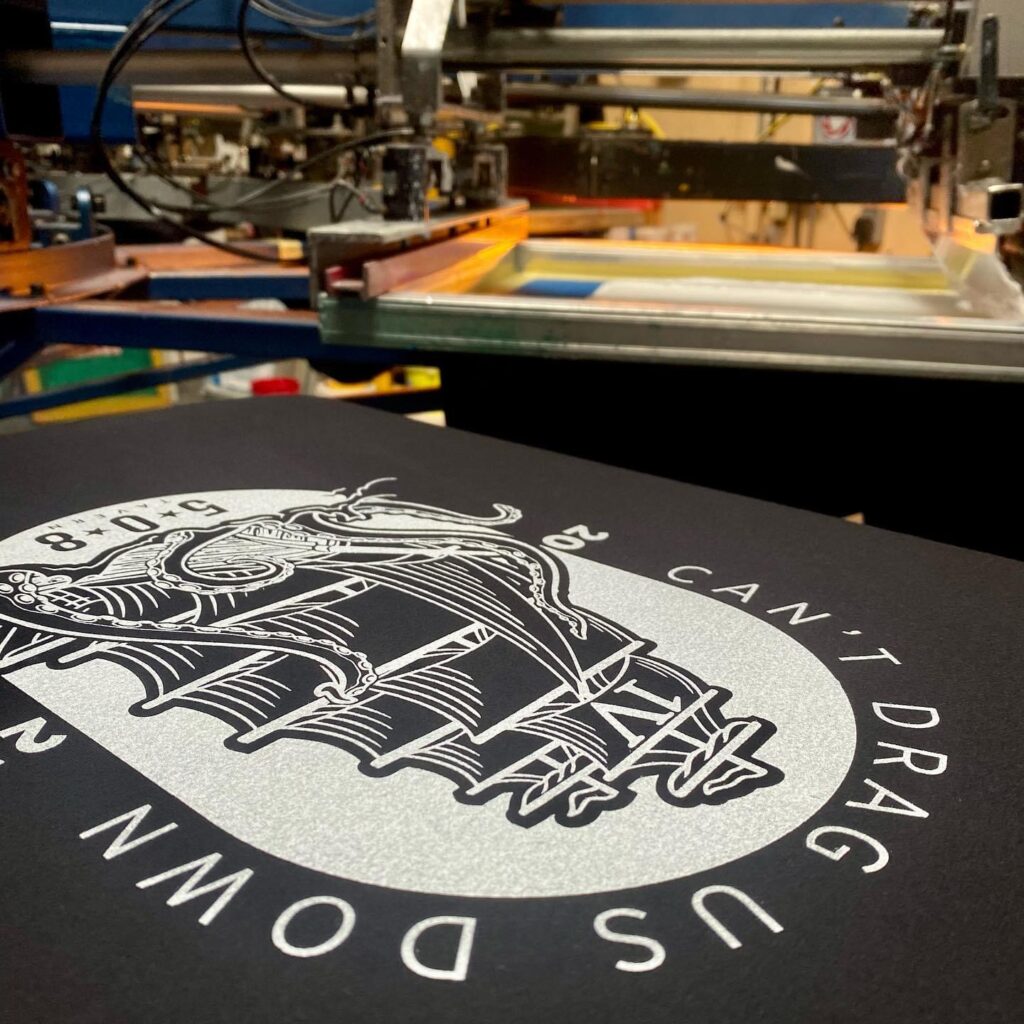
Screen printing applies ink directly to the garment through a separate screen for each color in the design. It has long been the standard for branded shirts, sports apparel, event tees, and workwear because the print is durable, color-consistent, and efficient at volume.

DTF, or direct-to-film, prints a full-color design onto a special film, adds adhesive powder, cures it, and heat-presses the transfer onto the garment. It is especially useful for detailed art, small orders, names and numbers, and designs with many colors or color transitions.

Neither process is automatically “better.” A one-color logo on 150 cotton tees and a full-color illustration on 15 mixed garments create very different production needs. Choosing the process that fits the job helps control cost without giving up the look your group expects.

When Screen Printing Is the Better Choice

Screen printing earns its reputation on larger runs. Once the screens are prepared, printing the same design repeatedly is efficient. That makes it a strong fit for company uniforms, school spirit shirts, team apparel, fundraisers, retail merchandise, and event orders where many garments share the same artwork.

Best for simple, bold artwork

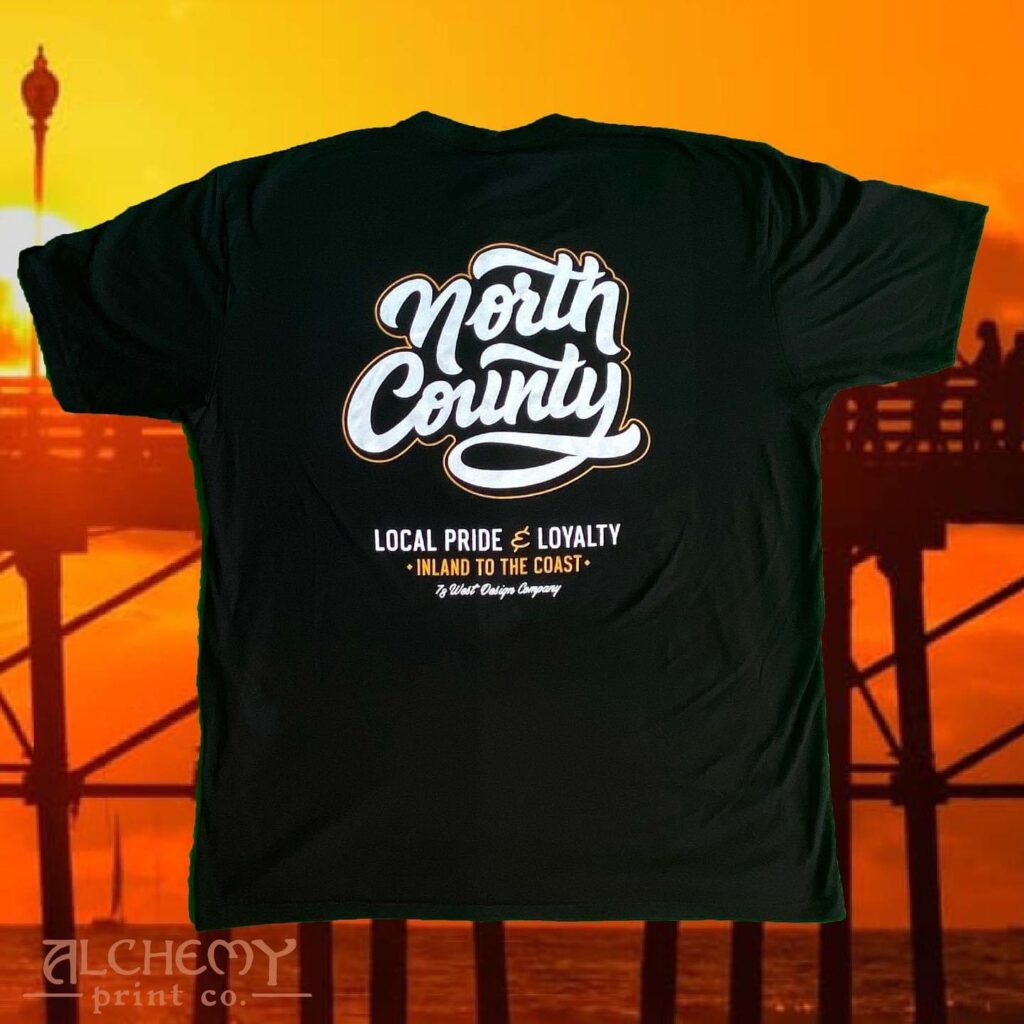
Solid-color logos, text-heavy designs, mascots, and bold graphics tend to look excellent in screen print. The ink can produce strong color and clean coverage, particularly on cotton shirts and darker garments. If your brand uses one to three spot colors, screen printing often delivers a polished result with a traditional printed feel.

Screen printing can handle more complex artwork, including simulated process designs and detailed illustrations, but the production setup becomes more involved. For a photo-style image with many shades, DTF may be the more practical option for a short run.

Better value as quantities increase

Screen setup is a real part of the cost. A three-color design needs three screens, so a small order can carry more upfront expense than customers expect. As the quantity rises, that setup cost is spread across more shirts, and the per-piece price becomes more favorable.

For organizations ordering dozens or hundreds of identical garments, this is often the deciding factor. A clean logo printed on a large uniform run is exactly where screen printing shines.

A familiar, durable finish

Properly cured screen print is built for regular wear and washing. Ink becomes part of the garment surface rather than sitting on top as a separate transfer layer. The final feel depends on the ink type, artwork coverage, and fabric, but a well-produced screen print can feel soft while remaining highly durable.

Large areas of heavy ink can feel thicker, especially on dark garments that need an underbase. That is not a flaw, but it is worth considering if your design covers most of the chest or back.

When DTF Is the Better Choice

DTF gives smaller and more detailed orders a practical path to full-color printing. Because the design is produced as a transfer, it does not require separate screens for every color. That flexibility can make a meaningful difference for organizations that need variety without placing a large bulk order.

Best for detailed and full-color designs

DTF is well suited to artwork with gradients, shading, fine lines, small text, and multiple colors. It can reproduce a detailed logo or illustration without requiring the artwork to be separated into individual ink colors. For a club shirt featuring a colorful graphic, a sponsor logo with multiple shades, or a staff design that includes a photo-style element, DTF can preserve details that would add time and cost to a screen print setup.

The artwork still matters. Low-resolution files will not become crisp simply because they are printed with DTF. Start with clean, high-quality artwork whenever possible.

Strong choice for small batches and mixed orders

If you need 10 shirts, a handful of hoodies, a few tote bags, and multiple colors of the same design, DTF can keep the project straightforward. It also works well when each item changes slightly, such as individual names, player numbers, job titles, or small personalized runs.

That makes DTF useful for coaches, teachers, office managers, and event organizers who do not need 100 identical pieces. It can also be a smart answer for testing a new merchandise design before committing to a larger run.

Works across many garment types

DTF transfers can be applied to cotton, polyester, blends, and many performance fabrics. This versatility is helpful when a team wants cotton tees for supporters but moisture-wicking shirts for players, or when a business wants the same logo on different uniform styles.

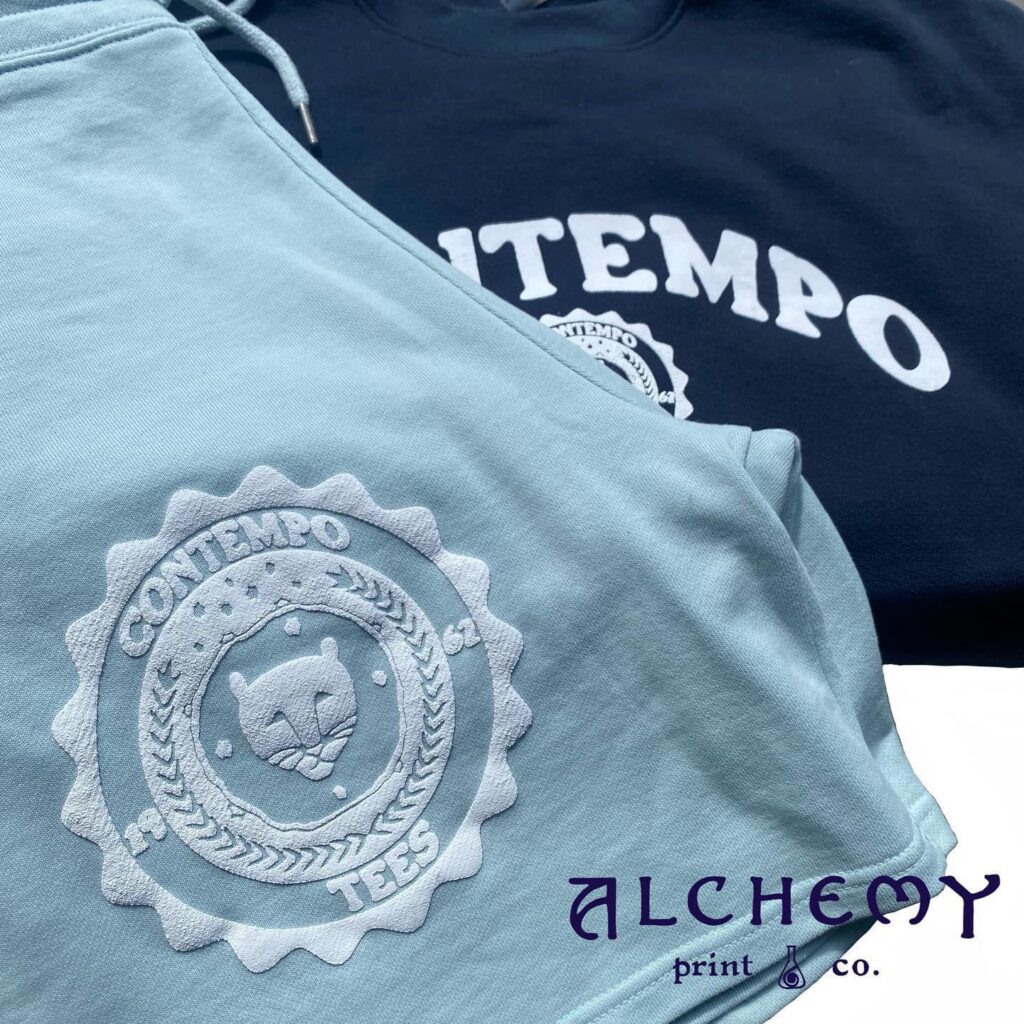
The transfer creates a smooth printed layer on the garment. With good materials and proper application, it holds up well to normal wear and laundering. Still, the hand feel is usually more noticeable than a light screen print, particularly when the design is large. A full-front DTF graphic may feel warmer or more substantial than a small left-chest logo.

Cost Is About More Than the Price Per Shirt

The lowest initial quote is not always the lowest-cost choice for the complete job. Screen printing often becomes more economical as order size grows, especially for designs with a limited number of colors. DTF often avoids the setup burden that makes small screen print orders less efficient, especially when artwork has many colors.

Think about repeatability, too. If you expect to reorder the same staff shirt every few months, a screen print setup may make sense for the larger ongoing runs. If every event has new artwork, quantities, or personalization, DTF may give you more flexibility.

Garment choice affects the equation. A premium tri-blend shirt, a polyester performance polo, and a heavyweight hoodie do not print or wear the same way. The right process should be selected alongside the garment, not after it.

How the Finished Prints Compare

For many buyers, the decision comes down to appearance and feel. Screen printing often has a more integrated, classic apparel-print look. It is especially effective for bold artwork with intentional solid colors. DTF is known for sharp detail, vibrant full-color output, and dependable consistency across a range of fabrics.

Durability is not a simple screen print wins, DTF loses comparison. Both can perform well when the art, garment, materials, and production process are matched correctly. Care matters, too. Washing garments inside out in cold water and avoiding high dryer heat can help preserve either print method over time.

If softness is the top priority, discuss the specific design rather than choosing based on the process name alone. A small DTF left-chest logo may feel minimal, while a large DTF print has more coverage. A screen printed design can be very soft with the right ink and art, but a large opaque print may also have noticeable weight.

A Practical Way to Choose

Start with the order itself. Screen printing is usually the first option to consider when you have a larger quantity of matching garments and relatively simple artwork. DTF is often the practical choice for lower quantities, colorful designs, detailed graphics, and personalization.

Before approving production, have these details ready: the garment style and color, approximate quantity, print locations, artwork file, deadline, and whether every piece is identical. Those answers let a print partner recommend a method based on the actual project instead of a generic rule.

For example, a San Diego-area company ordering 200 one-color work shirts for a crew will likely benefit from screen printing. A school club ordering 18 shirts with a multicolor design and individual names may be better served by DTF. The right answer changes when the order changes.

Get a Recommendation Based on Your Actual Order

A good print decision should make your job easier, not give you another production detail to manage. Share the artwork, garment preferences, quantity, and due date early. Alchemy Print Co. can help match the print method to the result you need, whether that means durable bulk uniforms, detailed event shirts, or a small personalized run delivered on schedule.

The best next step is simple: choose the method that supports the way your apparel will be ordered, worn, and reordered – not just the one that sounds best on paper.

Leave a Reply

Your email address will not be published. Required fields are marked *