Custom T-shirts & Signs, Fast & Free Shipping, and All-Inclusive Pricing

A staff shirt should still look like a staff shirt after a busy season of washing, wearing, loading equipment, and working events. That is why DTF transfers for shirts have become a practical choice for businesses, schools, teams, and organizations that need detailed full-color graphics without limiting their garment options.

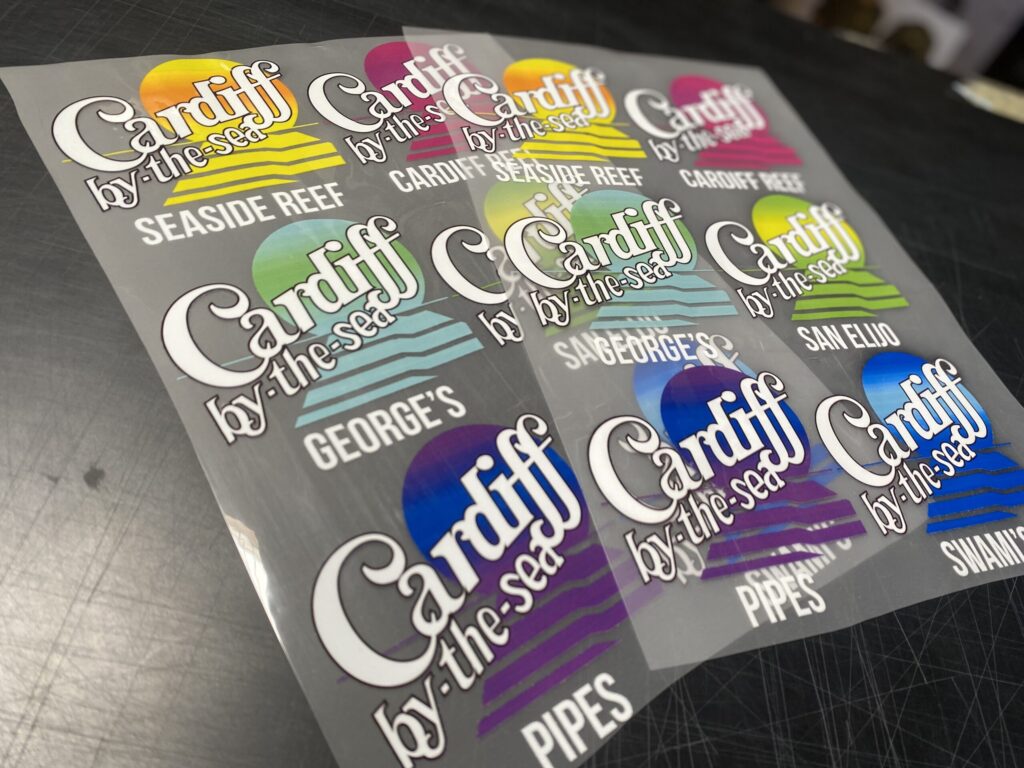
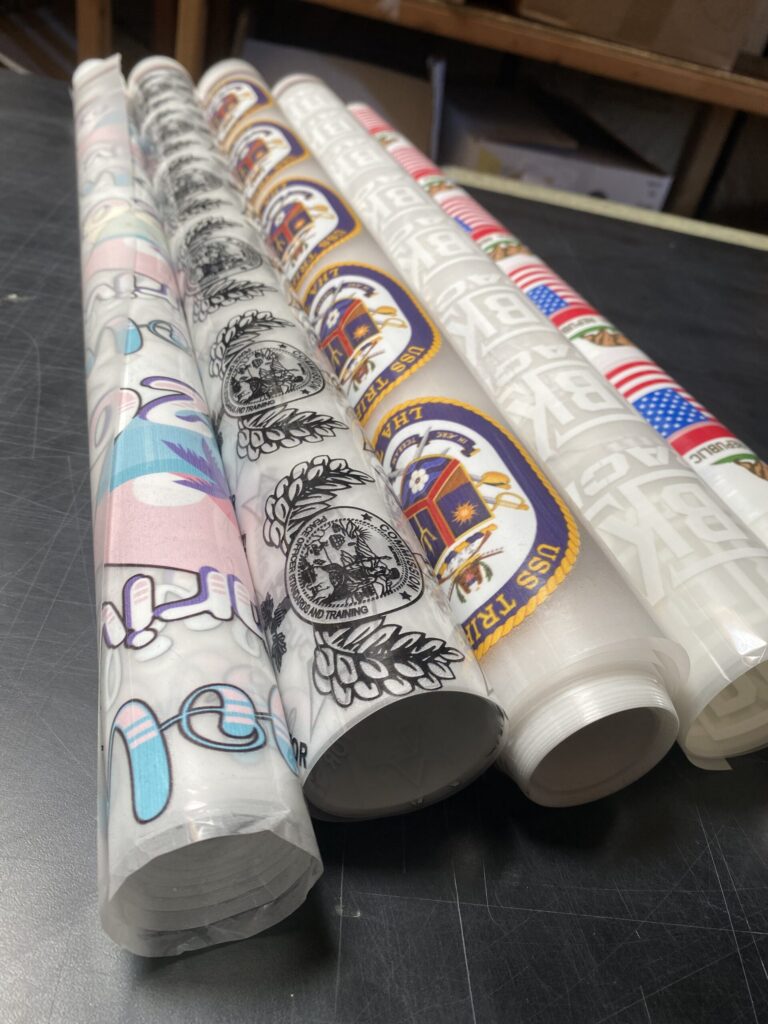
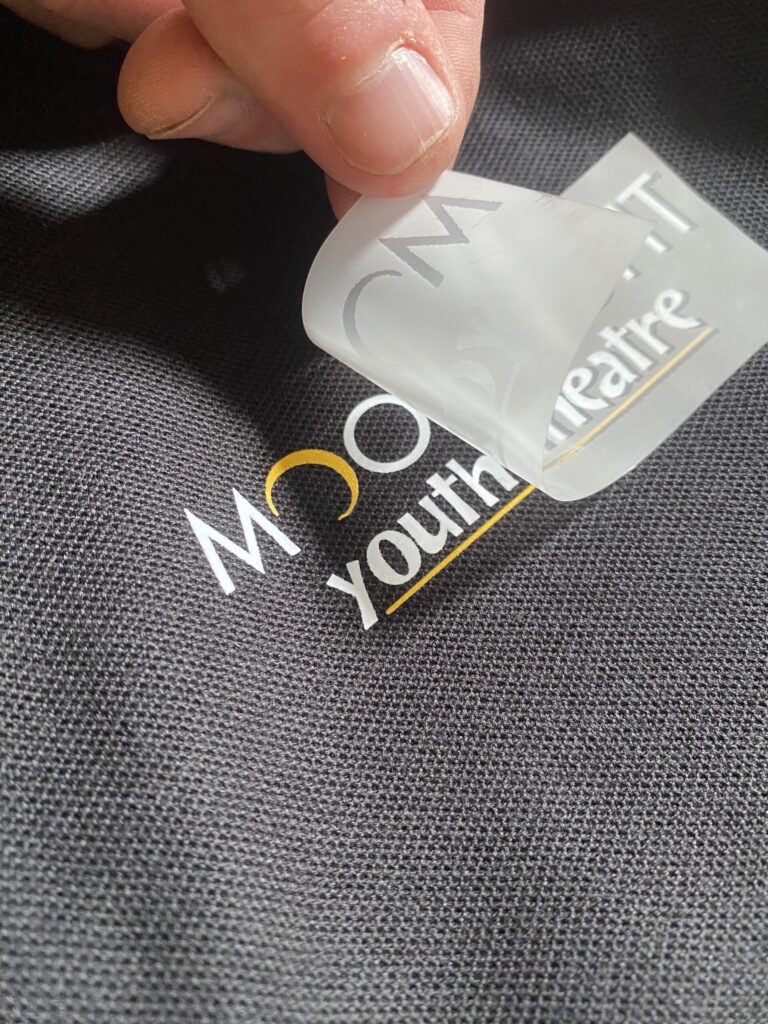
Direct-to-film, or DTF, printing applies a design to a specialized film, coats it with adhesive powder, cures it, and heat presses it onto the garment. The finished design sits on the fabric as a flexible, durable print. For many orders, it fills the space between traditional screen printing and other decoration methods: it handles color, detail, and small order quantities especially well.

When DTF Transfers for Shirts Make Sense

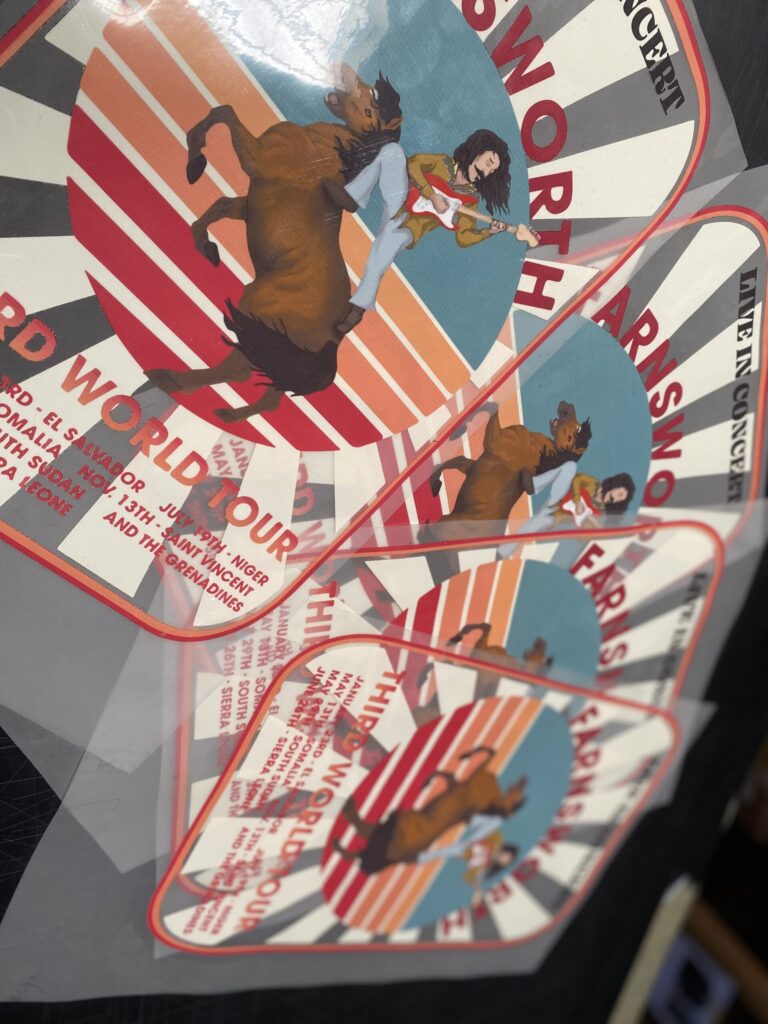
DTF is a strong option when your design has more than one or two colors, fine lines, gradients, or small lettering that needs to stay readable. A school club logo with shaded artwork, a sponsor-heavy event shirt, or a colorful restaurant graphic can be produced without the color limitations that often affect other print methods.

It also works on a wide range of fabrics. Cotton tees, cotton-poly blends, performance shirts, hoodies, and many polyester garments can all be candidates for DTF decoration. That flexibility matters when a team needs moisture-wicking jerseys while volunteers need soft cotton tees, but everyone needs the same recognizable artwork.

For smaller or mixed-garment orders, DTF can be particularly efficient. A business may need 12 employee shirts in different sizes and garment styles, or an athletic program may need one design across youth, adult, and coach apparel. Because the transfer is printed as a full design rather than built color by color on each garment, complex artwork is more accessible at lower quantities.

DTF is not automatically the best answer for every project. If you are ordering a large run of shirts with a simple one-color design, screen printing may be a better value. If a subtle, nearly undetectable print feel is the priority on a light cotton shirt, another method may be worth considering. The right choice depends on artwork, quantity, garment material, budget, and how the shirts will be used.

What the Finished Print Feels Like

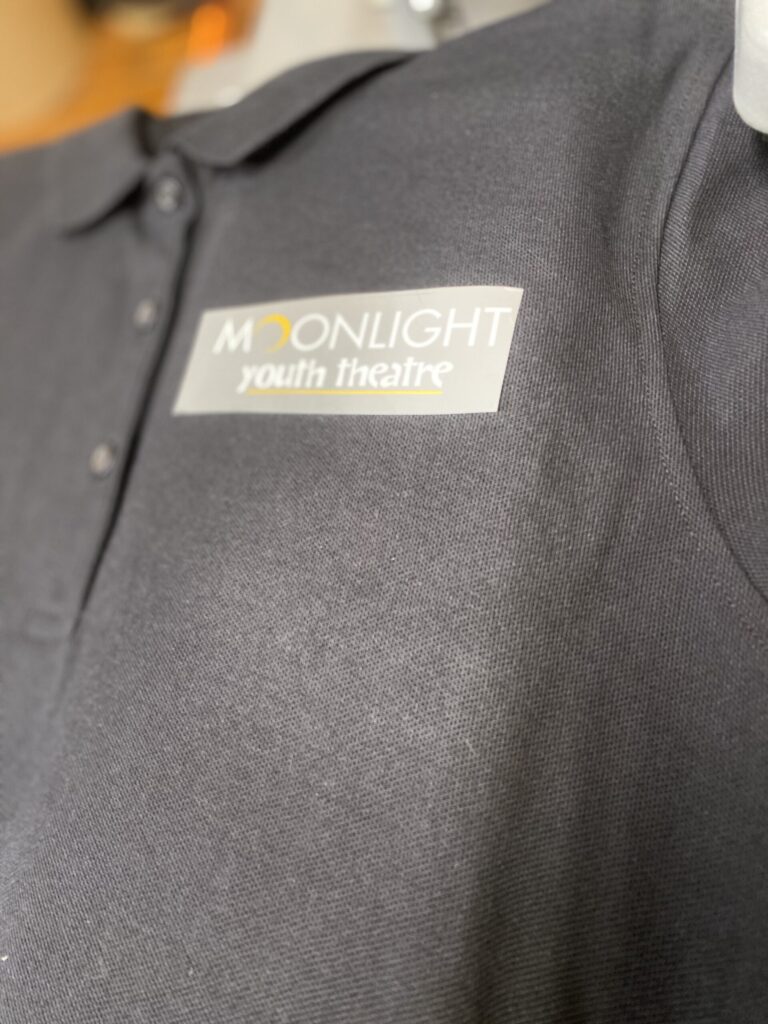
A DTF print has a smooth, slightly raised hand feel. It is flexible, but it is still a transfer layer on top of the shirt rather than ink absorbed deeply into the fibers. On a small left-chest logo, the feel is minimal. On a large full-front graphic with solid areas of color, the print will be more noticeable.

This is worth considering before approving artwork. A large solid rectangle across the chest can feel warmer than a design with open areas, distressed details, or separated graphic elements. It does not mean large DTF designs are a poor choice. It simply means design coverage should match the garment’s purpose. A promotional event shirt can carry a bold full-front graphic well. A work shirt worn outdoors all day may benefit from a lighter coverage design or a smaller print placement.

Good production also affects comfort. Proper pressure, temperature, curing, and peel technique help the transfer bond cleanly and remain flexible. A dependable printer should review the garment and design combination rather than treat every fabric the same.

Artwork That Prints Cleanly

DTF is capable of sharp detail, but the source art still matters. A crisp vector file, high-resolution PNG, PDF, AI, or EPS file gives the printer the best foundation. A tiny image pulled from a website or a screenshot of a logo can look acceptable on a computer screen and still become soft or pixelated when enlarged for a shirt.

Small text deserves extra attention. Fine lettering can print clearly when it is large enough, but condensed fonts and thin lines may lose definition at a small chest-logo size. If your design includes a phone number, website, list of sponsors, or names under a logo, ask for a proof and review it at the intended print dimensions.

Color is another area where expectations should be practical. Digital displays use light to create color, while printed designs use inks on a physical surface. A bright blue seen on a monitor may shift slightly once printed, particularly on a dark garment where a white underbase is used. Providing brand color references and reviewing a digital proof helps reduce surprises. For organizations with strict brand standards, communicate those standards before production begins.

Transparent artwork can also create confusion. A transparent background is usually correct for a shirt design, but semi-transparent shadows, glows, and faded edges may require review. The goal is to make sure the final graphic looks intentional on the chosen garment color, not simply correct against a white artboard.

Choosing the Right Shirt for a DTF Print

The shirt is part of the finished product, not an afterthought. A premium ring-spun cotton tee gives a softer retail feel for staff apparel, fundraisers, and branded merchandise. A heavier cotton tee can be better suited to labor-intensive work, school spirit wear, or event crews. Polyester performance apparel is useful for teams and active staff who need moisture management.

Fabric color changes the visual result as well. DTF can produce vibrant designs on both light and dark garments, which is one of its biggest advantages. However, the surrounding shirt color still influences the design’s impact. A light logo may be technically visible on a medium-gray shirt but not stand out from a distance. For uniforms, wayfinding, and event staff apparel, prioritize contrast over subtlety.

Consider garment sizing and wear conditions early. Youth and adult sizing, women’s cuts, hoodies, outerwear, and performance shirts all have different printable areas. A large design that works on an adult XL may feel oversized on a youth small. For a mixed-size order, a proportional placement plan can make the finished group look more consistent.

Placement decisions affect usability

Front-center prints are familiar and highly visible. Left-chest logos offer a professional uniform look, especially when paired with a larger back print. Sleeve prints can add a polished detail, but available space is limited and may not suit intricate copy. Back prints are useful for employee names, event messaging, sponsor recognition, or a large logo that needs to be seen from a distance.

For organizations ordering several products at once, carry the same core logo and colors across shirts, hats, banners, decals, and printed marketing materials. Consistency makes a small team, a school program, or a local business look established without making every item identical.

Durability Comes Down to Production and Care

A properly applied DTF transfer is built for regular wear, but no decorated garment is maintenance-free. Wash shirts inside out in cold or warm water, use a mild detergent, and avoid bleach. Tumble dry on low heat when possible. High dryer heat is one of the fastest ways to put unnecessary stress on any heat-applied graphic.

Do not iron directly over the print. If the garment needs ironing, turn it inside out or place a protective cloth between the iron and the graphic. Avoid dry cleaning unless the garment manufacturer specifically recommends it and the decorator confirms the print method is suitable.

Durability also starts before the shirt reaches the wash cycle. Transfers need to be matched to the garment type, and pressing instructions must be followed precisely. This is especially relevant with polyester and performance fabrics, where excessive heat can create dye migration or leave press marks. An experienced production partner will account for those risks rather than applying one setting to every shirt.

Ordering Without Last-Minute Surprises

Start with the purpose of the order. Is the shirt for a one-day event, a year-round uniform program, a fundraiser, or retail merchandise? Then confirm your quantity, garment styles, sizes, print locations, and deadline. Those basics help determine whether DTF is the best production method and prevent a rushed decision later.

Before placing the full order, review the proof for spelling, colors, placement, and garment selection. This is the time to catch an outdated phone number, a missing sponsor, or a logo that is too small to read. For recurring orders, keep approved artwork and garment details on file so new hires, new seasons, or additional locations can be ordered consistently.

For a project with several garment types or a deadline tied to an event, hands-on guidance can save time. Alchemy Print Co. can help organizations choose apparel, prepare artwork, and coordinate a print approach that fits the job instead of forcing the job into a standard template.

The best shirt order is one your team can put on without thinking twice about it: the logo is clear, the fabric fits the job, and the print is ready for the work ahead.

Leave a Reply

Your email address will not be published. Required fields are marked *